Stay Ahead with Huk News – Your Source for Real, Fast, and Reliable Updates!


Why Yogi Minister and Mayawati Came Together Amidst the BSP MLA Umashankar Singh Raid
Explore the political dynamics behind the raid on BSP MLA Umashankar Singh and why Mayawati and a minister from Yogi Adityanath’s government appeared aligned. A deep analysis of strategy, legal action, and the road to the 2027 Uttar Pradesh elections.
POLITICS NEWS
Huk News
2/26/20265 min read
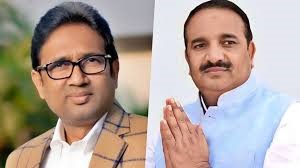
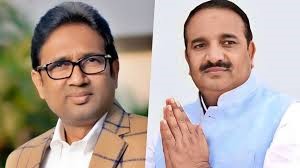
Background of the Raid on Umashankar Singh
The recent raid on Bahujan Samaj Party (BSP) MLA Umashankar Singh has brought to the forefront various intricate dynamics within Uttar Pradesh's political landscape. The events leading up to this operation highlight a complex interplay of local governance, party rivalries, and law enforcement actions. The raid is alleged to be rooted in accusations of financial irregularities and corruption surrounding Singh's constituency development fund, which raised significant suspicions among state authorities.
The Uttar Pradesh Special Task Force (UP STF) was responsible for orchestrating the raid, signifying the involvement of high-ranking officials keen on enforcing accountability within the state's political arena. This development is particularly noteworthy given the historically contentious relationship between the BSP, led by Mayawati, and the ruling Bharatiya Janata Party (BJP) government under Chief Minister Yogi Adityanath. Over the years, both parties have engaged in ongoing tussles over governance, allegations of misuse of state machinery, and accusations of political vendetta.
The timing of the raid comes as the BSP is preparing for upcoming elections, which adds an additional layer of complexity to the situation. The allegations against Singh could potentially tarnish the party's image, raising questions about internal discipline and governance standards. Furthermore, this incident has sparked discussions around the implications for the opposition movement in Uttar Pradesh and how it may affect voter perception as the political environment remains heavily polarized.
Historically, the BSP has maintained a unique stance in Uttar Pradesh's political landscape, often positioning itself as the voice of Dalit and marginalized communities. However, this recent episode could challenge the party's narrative, leading to scrutiny over its governance practices. The crisis surrounding Umashankar Singh also exemplifies broader trends in Indian politics, where law enforcement actions can be perceived as tactics to undermine opposition parties.
Political Implications of the Raid
The recent raid involving BSP MLA Umashankar Singh serves as a pivotal moment, stirring significant political implications not only for Singh but also for the Bahujan Samaj Party (BSP) and its alliance with the ruling Government in Uttar Pradesh, led by Yogi Adityanath and the Bharatiya Janata Party (BJP). This incident could exacerbate existing tensions between these political entities, potentially altering voter perceptions and party loyalties.
In the immediate aftermath of the raid, the BSP’s credibility might be at risk, as allegations of corruption or misdeeds against its representatives often resonate negatively with voters. The party, which has traditionally commanded a loyal support base, may find itself challenged as constituents reevaluate their trust. Moreover, the political fallout could create a rift within the BSP, leading to intra-party scrutiny and debates on leadership effectiveness, particularly regarding resource allocation and candidate selection for the upcoming elections.
Conversely, the raid creates an opportunity for the BSP to renew its political narrative. The party could position itself as a champion of transparency and accountability by addressing the allegations earnestly and taking corrective actions. This response would not only dissuade voter discontent but could also rally support among the electorate who value integrity in governance.
Furthermore, as the situation unfolds, it may influence BSP’s relationship with Yogi Adityanath and the BJP. The dynamics of cooperation and conflict will be crucial determinants of any potential electoral coalition, especially in a politically charged environment. Such alliances could provide strategic advantages during the campaign season as both parties navigate their distinct voter bases.
In conclusion, the ramifications of the raid on Umashankar Singh within the broader context of Uttar Pradesh politics underscore the interconnectedness of individual and party fortunes, particularly as the state approaches its next electoral contest.
Responses from Yogi Adityanath and Mayawati
The recent collaboration between Yogi Adityanath, the Chief Minister of Uttar Pradesh, and Mayawati, the former Chief Minister and BSP leader, has generated considerable interest, particularly in the context of the raid involving BSP MLA Umashankar Singh. Both political figures exhibited unusual unity during this crisis, raising questions about their motivations and alignment.
Yogi Adityanath's response focused on the integrity of the governmental process. He emphasized the need for transparency and accountability, asserting that the raid aimed at addressing corruption within the ranks of public officials, irrespective of their political affiliations. By taking a strong stand against corruption, Adityanath aimed to reinforce his administration's commitment to eradicating unethical practices. He also indicated that such actions are not merely political maneuvers but part of a broader framework to enhance governance in Uttar Pradesh.
On the other hand, Mayawati's reaction was equally remarkable. She condemned the raid but did so through a lens of solidarity with those who felt unjustly targeted. Mayawati remarked on the political motivations behind such raids, questioning their timing and purpose while simultaneously advocating for the protection of democratic values. Although she criticized the method of execution, her statements reflected a pragmatic approach to aligning with the Chief Minister in denouncing any form of corruption.
This sudden convergence of views underscores an unusual political rapport, as both leaders seem cognizant of the broader implications for their parties and the state's image. In doing so, they addressed a significant issue affecting governance while navigating the complexities of their historical rivalry. Their collective responses indicate a strategic alliance, however tentative, that reflects altered dynamics in Uttar Pradesh’s political landscape.
What Lies Ahead: Future Political Trends and Expectations
The recent collaboration between Yogi Adityanath and Mayawati amid the BSP MLA Umashankar Singh raid has reshaped political narratives in Uttar Pradesh, warranting a keen analysis of potential future trends. This incident may serve as a catalyst for re-evaluating alliances and voter perceptions, which could significantly impact the political landscape of the state.
Firstly, the fallout from the raid could influence voter sentiments towards both the Bharatiya Janata Party (BJP) and the Bahujan Samaj Party (BSP). The BJP's response to corruption allegations typically emphasizes accountability and governance. However, if the public perceives this incident as politically motivated, it may lead to a decline in support for the party, particularly in light of previously strong anti-corruption narratives. Alternatively, should the BSP effectively position itself as the defender of democratic rights in the aftermath, it could strengthen its appeal among disillusioned voters, thereby creating a shift in political loyalties.
In terms of potential alliances, the unexpected partnership between Yogi Adityanath and Mayawati suggests new grounds for cooperation that could have ripple effects throughout the state's political dynamics. Future collaborations may emerge among opposition parties as they seek to consolidate power to counteract the ruling BJP. This could involve not just parties that have historically opposed the BJP, but also regional parties aiming to reclaim their influence. Shifts toward greater openness in forming coalitions may redefine traditional rivalries, leading to a more fragmented but dynamic political environment.
Lastly, as elections approach, public discourse will undoubtedly reflect the tensions and strategic maneuvers of this particular political alliance. Observations regarding how these developments resonate with the electorate can provide crucial insights into the evolving political narratives in Uttar Pradesh. The confluence of corruption, alliances, and voter perceptions will likely chart a new course for both the BJP and the BSP moving forward.
Huk News
Huk News is a trusted Indian digital news platform delivering fast and accurate updates on politics, sports, entertainment, business, technology, and world affairs. It provides breaking news and reliable coverage for today’s modern readers, anytime and anywhere.
Media
Updates
huknews12@gmail.com
+91-9821556499
© 2025. All rights reserved.